
close
Choose Your Site
Global
Social Media


Views: 0 Author: Site Editor Publish Time: 2025-11-26 Origin: Site


Driveway markers are essential components for maintaining safety, guiding traffic, and organizing vehicle flow in residential, commercial, and public spaces. They act as visual cues that delineate boundaries, preventing collisions, property damage, and confusion in areas with limited visibility. Beyond basic safety, driveway markers contribute to traffic management, landscape aesthetics, and long-term infrastructure durability.
The effectiveness of a driveway marker depends not only on its placement but also on its design, material, and environmental adaptability. Using inappropriate markers or materials can result in poor visibility, increased maintenance costs, and even accidents. This article explores the various uses of driveway markers, focusing on their functionality, material considerations, environmental adaptability, and benefits. By understanding these aspects, readers can make informed decisions when selecting driveway markers for any setting, ensuring enhanced safety, durability, and performance.
Driveway markers are vertical posts or stakes installed along driveways, parking lots, roads, and pedestrian pathways to define edges and provide clear visual guidance for drivers. These markers serve multiple purposes, including guiding vehicles safely, reducing the likelihood of property damage, and improving visibility under challenging conditions.
Core Functions of Driveway Markers:
Traffic Guidance: Clearly outlines lanes, driveway edges, or pedestrian boundaries, helping drivers navigate safely.
Safety Enhancement: Minimizes accidents by signaling changes in road direction, elevation, or driveway boundaries.
Improved Visibility: High-quality markers maintain visibility during nighttime, fog, rain, or snow.
Aesthetic Contribution: Well-designed markers integrate with landscaping, improving overall property appearance without compromising functionality.
While traditional road markings such as paint or traffic cones can provide basic guidance, they have limitations in durability and visibility. Driveway markers offer:
Long-Term Durability: Resistant to environmental stress, UV exposure, and mechanical wear.
Enhanced Visibility: Reflective materials or bright colors improve recognition in low-light or adverse conditions.
Customizability: Options for height, shape, color, and reflectivity allow markers to meet specific safety and aesthetic requirements.
Driveway markers have versatile applications across residential, commercial, and public spaces. Each use emphasizes specific functionality, safety, and durability requirements.
Markers installed along residential driveways serve to define the pathway clearly, guiding vehicles into parking spaces or garages without straying into landscaped areas. This prevents lawn damage, garden destruction, or accidental collisions with fences or other structures.
Reflective or brightly colored markers enhance visibility in dark or poorly lit areas. In regions where street lighting is insufficient, these markers provide critical visual guidance, helping drivers judge driveway edges and navigate safely during nighttime or inclement weather.
Residential markers can be customized to blend with the surrounding environment. By selecting appropriate colors, shapes, and heights, homeowners can ensure that markers are both functional and visually harmonious with gardens, driveways, and entranceways.
In commercial spaces and large parking areas, driveway markers are essential for organizing vehicle movement. They separate driving lanes from pedestrian areas, prevent vehicles from encroaching on restricted zones, and improve the efficiency of vehicle circulation.
Markers help designate walkways and pedestrian zones, reducing the risk of accidents in high-traffic areas. This is particularly important in commercial zones with frequent foot traffic and multiple vehicle entries and exits.
Commercial areas often cover large spaces where visual cues are essential. Driveway markers, particularly reflective or high-contrast options, ensure that drivers can navigate safely regardless of parking lot size or lighting conditions.
Driveway markers are widely used along rural roads, highways, and areas lacking sufficient lighting. They provide clear delineation of road edges, particularly in narrow or winding sections, helping drivers maintain lane discipline.
Weather conditions such as heavy rain, fog, or snow can obscure road edges and signage. Reflective driveway markers maintain visibility under these conditions, providing reliable guidance to prevent off-road incidents or collisions.
Municipalities and transportation authorities use durable driveway markers to meet local safety regulations. Properly installed markers reduce accident rates, support road safety standards, and assist in traffic management on public roads.
In areas prone to snow, ice, or water accumulation, driveway markers provide critical guidance for vehicles. Durable materials like fiberglass ensure markers remain visible despite heavy snowfall or standing water, helping drivers navigate safely in challenging conditions.
Driveway markers are ideal for temporary use in construction sites or event spaces. Flexible, lightweight markers can be installed quickly to guide vehicles safely, protect pedestrian pathways, and prevent damage to temporary structures or equipment.
Markers installed in extreme climates must withstand high winds, heavy rainfall, UV radiation, or temperature fluctuations. Materials such as fiberglass maintain structural integrity and visibility under these conditions, ensuring long-term functionality.
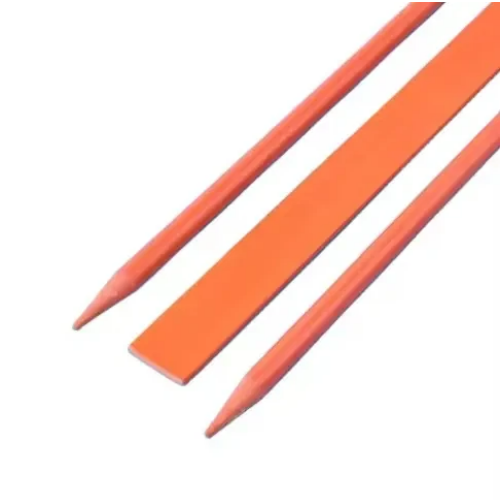
Selecting the right materials and design features for driveway markers is essential for ensuring durability, safety, and long-term performance. The choice of material directly affects how the markers withstand environmental conditions, traffic impact, and general wear and tear. In addition, thoughtful design considerations, including height, shape, color, and flexibility, further optimize their functionality and visibility in various applications.
Fiberglass is widely regarded as one of the most effective materials for driveway markers due to its combination of lightweight construction, flexibility, and exceptional durability. These markers can endure prolonged exposure to UV rays, heavy rain, snow, and extreme temperature fluctuations without cracking, warping, or fading. Optional reflective strips can be added to enhance nighttime visibility, ensuring drivers can clearly see driveway edges even in low-light or adverse weather conditions. Furthermore, fiberglass markers are designed to bend under impact rather than break, significantly increasing their lifespan and reducing the need for frequent replacements. Customizable heights and diameters make them adaptable to residential, commercial, or municipal applications, allowing seamless integration into any landscape or road system.
Plastic markers are a cost-effective and lightweight option, making them ideal for temporary, decorative, or low-traffic areas. They are available in bright, eye-catching colors, which improve visibility during the day and help delineate boundaries effectively. However, plastic markers are generally less resistant to heavy impact, prolonged UV exposure, and extreme weather, which may result in fading, cracking, or structural failure over time. Due to their limited durability, plastic markers often require more frequent replacement than fiberglass or metal options.
Metal markers, such as steel, aluminum, or galvanized options, offer superior strength and rigidity, making them suitable for high-traffic or heavy-duty environments. These markers can withstand substantial impacts and resist bending under normal conditions. However, metal markers are prone to rust and corrosion unless treated with protective coatings, and their heavier weight makes installation more labor-intensive. Maintenance is also necessary to preserve their appearance and structural integrity.
When selecting driveway markers, several design factors should be considered:
Height: Determines visibility from a distance and ensures markers are effective in various settings.
Shape & Diameter: Impacts stability, durability, and ease of installation, with thicker or reinforced designs performing better under stress.
Color & Reflectivity: Bright colors and reflective strips enhance visibility in low-light and adverse weather conditions.
Flexibility: Materials that bend under impact reduce breakage risk and increase longevity.
Material | Durability | Weight | Reflectivity | Maintenance | Cost |
Fiberglass | High | Light | Optional | Low | Moderate |
Plastic | Moderate | Light | Optional | Medium | Low |
Metal | Very High | Heavy | Optional | High | High |
By carefully evaluating materials and design features, users can select driveway markers that provide optimal performance, safety, and cost-efficiency for their specific environment and traffic conditions.
Using the correct driveway markers offers extensive benefits that improve safety, organization, and long-term cost efficiency:
Enhanced Safety: Clear boundaries prevent collisions and property damage.
Traffic Organization: Guides vehicles efficiently in residential, commercial, and public spaces.
Nighttime and Weather Visibility: Reflective or brightly colored markers ensure reliable visibility in low-light or challenging conditions.
Durability and Longevity: High-quality materials withstand weather, impact, and environmental stress, reducing replacement frequency.
Cost-Effectiveness: Long-lasting markers lower long-term maintenance and replacement expenses.
Aesthetic Integration: Customizable markers maintain visual appeal while providing essential functionality.
Properly selecting materials and designs based on environment and traffic requirements maximizes the safety, performance, and lifespan of driveway markers.
Driveway markers play a critical role in defining boundaries, improving visibility, and ensuring safe traffic flow across residential driveways, commercial parking lots, public roads, and other challenging environments. The choice of material—whether fiberglass, plastic, or metal—significantly impacts durability, performance, and long-term maintenance needs. High-quality markers not only enhance safety but also reduce replacement costs and minimize upkeep over time.
For those seeking reliable and durable solutions, Jiangxikai New Materials Co., Ltd. offers a wide range of professionally manufactured fiberglass driveway markers. These markers are designed to withstand extreme weather conditions, heavy traffic, and environmental stress, providing consistent performance year after year. Consulting with Jiangxikai’s team can help you select the most suitable markers tailored to your specific application, whether for residential, commercial, or municipal use. Investing in high-quality markers ensures both safety and long-term cost efficiency, making it a practical choice for any project.
What are driveway markers used for?
Driveway markers define boundaries of driveways, parking lots, and roads, enhancing safety and guiding vehicles.
Can driveway markers improve nighttime visibility?
Yes. Reflective markers significantly enhance visibility in low-light or adverse weather conditions.
Are driveway markers only for residential use?
No. They are widely used in residential, commercial, and public road applications.
How do materials affect marker performance?
Material affects durability, weight, maintenance needs, and resistance to environmental conditions.
Can markers be used temporarily in construction zones?
Yes. Lightweight, flexible markers are suitable for temporary installations and traffic guidance.
How long do driveway markers typically last?
Lifespan depends on material. Fiberglass markers can last 10+ years, while plastic or untreated metal markers may require more frequent replacement.
