
close
Choose Your Site
Global
Social Media


Views: 0 Author: Site Editor Publish Time: 2026-06-11 Origin: Site


Steel flat bars have dominated industrial construction and manufacturing for over a century. You see them supporting heavy machinery, reinforcing concrete, and framing massive structures worldwide. But modern engineering brings new challenges to the table. Increasing demands for lifecycle longevity in harsh environments push engineers to evaluate composite alternatives. Traditional metals often fail early when exposed to saltwater, chemical spills, or extreme weather conditions. This failure forces sudden project delays and extensive repair work.
We wrote this article to give you a reliable, objective framework for your next material selection. You will learn how to decide between steel and composite options based on structural requirements and environmental exposure. We will break down physical differences, fabrication realities, and financial considerations. By the end, you will know exactly which material suits your specific industrial application.
Best for Load Bearing & Rigidity: Steel remains the superior choice for projects requiring maximum stiffness, field-bending, and high-impact resistance.
Best for Harsh Environments: A fiberglass flat bar outperforms steel in highly corrosive, chemical, or electromagnetically sensitive environments due to its zero-rust profile and non-conductivity.
Weight vs. Strength: Fiberglass offers an exceptional strength-to-weight ratio, weighing roughly 75% less than steel while maintaining high tensile strength.
Cost Dynamics: While steel often wins on initial material cost (CapEx), fiberglass drastically reduces long-term maintenance and replacement costs (OpEx) in challenging conditions.
Defaulting to steel comes at a hidden price. Many engineers specify carbon steel automatically. They overlook the long-term penalties of using this material in incompatible environments. Concrete spalling is a primary example. When internal steel supports rust, they expand. This expansion cracks the surrounding concrete. Facilities then face massive repair bills. Rust-proofing treatments offer temporary solutions. Galvanization and epoxy coatings inevitably wear down. Once the coating scratches, localized corrosion spreads rapidly underneath. You then enter a cycle of frequent maintenance, sandblasting, and repainting.
You must define project parameters carefully before selecting materials. We recommend establishing a strict baseline evaluation criteria. This step prevents costly retrofits later.
Load profiles (static vs. dynamic): Assess how the structure bears weight. Static loads remain constant. Dynamic loads involve vibration, heavy impacts, or moving machinery.
Environmental exposure: Identify chemical threats. Consider saltwater spray, acidic vapors in chemical plants, or extreme freeze-thaw weather cycles.
Installation constraints: Evaluate site accessibility. Determine weight limits for existing floors. Note whether heavy machinery or cranes can physically reach the installation zone.
Electromagnetic and thermal requirements: Determine if the structure must resist heat transfer. Identify any need for electrical insulation or radio frequency transparency.
Evaluating these four parameters exposes the limits of standard metals. It opens the door for advanced composite alternatives.
Understanding the mechanical properties of each material is critical for safe design. While both materials carry heavy loads, they behave entirely differently under stress. You must account for these behavioral differences during the engineering phase.
Tensile strength measures how much a material can stretch before breaking. A pultruded composite flat bar exhibits extremely high tensile strength. It handles pulling forces exceptionally well. However, it has a lower modulus of elasticity compared to standard carbon steel. The modulus of elasticity measures rigidity. Because composite materials are less rigid, they bend more noticeably under heavy loads before failing. Steel offers high yield strength and intense rigidity. Steel resists initial deflection strongly. If your project demands zero bending under immense weight, steel remains the superior structural choice.
Weight directly impacts project logistics. Fiber-reinforced polymer (FRP) is approximately one-quarter the weight of standard steel. This massive weight reduction changes how you manage a job site. Heavy steel beams require specialized shipping logistics. You must rent cranes and heavy lifting machinery for on-site placement. Workers can often carry composite beams by hand. This reduces crane rental time and lowers the risk of crushing injuries on the job site. You can also install composite structures on rooftops or weak sub-floors where steel would exceed the structural capacity.
Steel conducts electricity and heat efficiently. This trait creates severe hazards in specific environments. Exposed steel in power plants requires extensive grounding. Steel frameworks in cold climates create thermal bridges, drawing heat out of buildings. Fiberglass acts as a powerful insulator. It stops heat transfer and blocks electrical currents. This makes it the necessary choice for specialized facilities. You see composite supports used heavily in MRI facilities, high-voltage power plants, and telecom infrastructure. Composites remain electrically transparent, allowing 5G and radio signals to pass through uninterrupted.
Feature | Standard Carbon Steel | Fiberglass (FRP) |
|---|---|---|
Weight | Very Heavy (~490 lbs/ft⊃3;) | Lightweight (~120 lbs/ft⊃3;) |
Rigidity (Modulus) | Extremely High | Low to Moderate |
Conductivity | Highly Conductive | Non-Conductive (Insulator) |
Corrosion Resistance | Poor (Unless heavily treated) | Excellent |
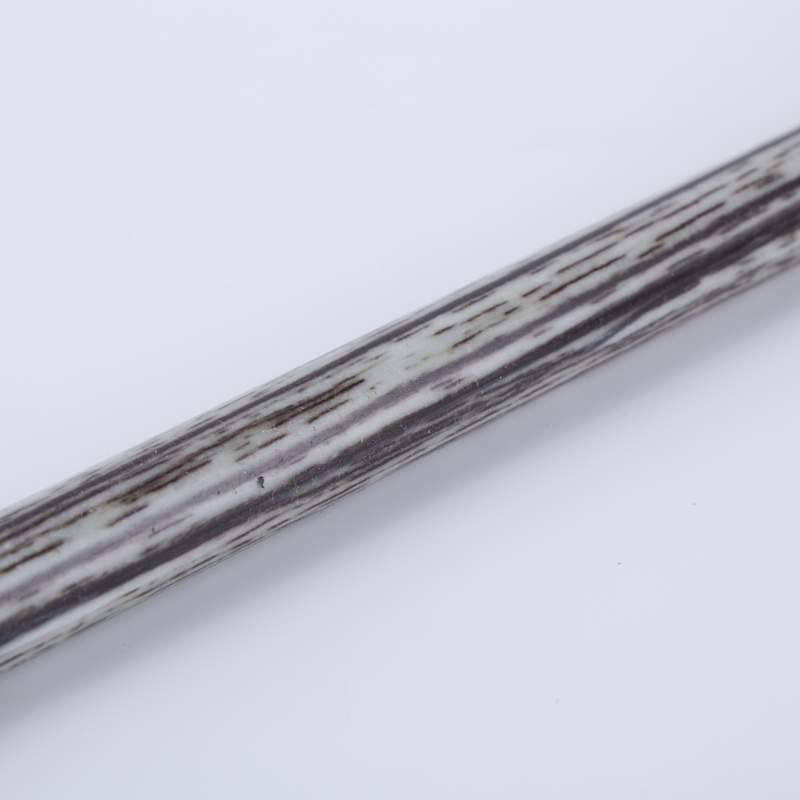
Environmental degradation destroys industrial infrastructure faster than mechanical wear. Corrosion presents the greatest threat to structural integrity over time. Comparing these materials requires a hard look at their chemical resistance.
Steel rusts quickly when exposed to moisture and oxygen. Engineers combat this reality by specifying galvanization, epoxy coatings, or stainless steel alloys. These solutions carry significant drawbacks. Stainless steel costs exponentially more than standard carbon steel. Galvanized coatings add protective zinc layers, but these layers remain fragile. They chip easily during installation, transport, or routine impacts. Once the coating breaks, moisture reaches the raw steel beneath. Localized rust forms immediately. This rust spreads under the coating, compromising the entire structure over time.
Composite materials offer a permanent solution to environmental degradation. A Fiberglass Flat Bar boasts inherent chemical and moisture resistance. Because it contains no metal, it physically cannot rust. It resists saltwater, harsh acids, and corrosive gasses effortlessly. You will find these composite materials dominating marine infrastructure, wastewater treatment facilities, and chemical processing plants.
Best Practice Note: Not all composites perform equally. Maintain a healthy skepticism when reviewing material spec sheets. While composite materials do not rust, they still require specific resin formulations to survive harsh chemicals. Standard Isophthalic polyester resin works well for mild environments. However, you must specify Vinyl Ester resin to maximize chemical resistance against severe acidic or alkaline exposure.
Theoretical performance means little if a material proves impossible to install. The fabrication process reveals some of the starkest contrasts between traditional metals and modern composites. You must train your installation teams to handle these materials properly to avoid costly mistakes.
Steel offers incredible flexibility during the fabrication process. Welders can cut, heat, and bend steel beams on site. This allows crews to accommodate on-the-fly structural adjustments easily. If a blueprint contains an error, a skilled steelworker can often fix the issue immediately.
Fiberglass behaves differently. You cannot plastically deform or bend cured composite materials on-site. The pultrusion process cures the resin into a permanent shape. If you attempt to bend a composite beam beyond its elastic limit, it will splinter and fail catastrophically. Consequently, composite systems must be pre-engineered. You must fabricate them to exact specifications before they arrive at the job site.
Joining methods represent a major shift for traditional construction crews. Steel relies heavily on structural welding. Welding creates a continuous, unified frame. However, it requires highly paid specialized labor and strict fire safety protocols.
You cannot weld composite materials. Heat destroys the resin matrix. Instead, you must join composite components using mechanical fasteners or industrial structural adhesives. Crews use high-grade stainless steel bolts, nuts, and specialized rivets. When drilling into composite materials, you should always use carbide or diamond-coated drill bits to prevent the layers from delaminating.
Engineers often raise valid concerns regarding prolonged sunlight exposure. Ultraviolet light breaks down standard resin polymers over time. This breakdown causes a phenomenon known as "fiber bloom." The resin micro-cracks, exposing the white glass fibers underneath. While this rarely affects the internal structural strength initially, it creates a rough texture and degrades the visual appearance.
Manufacturers mitigate this issue effectively. They apply UV-resistant synthetic veils during the pultrusion process. They also coat the finished beams with high-quality polyurethane paint. You should always verify that your supplier includes UV inhibitors if you plan to install the material outdoors.
Project budgets ultimately drive material selection. However, evaluating costs requires looking past the initial purchase order. When conducting a thorough Fiberglass Flat Bar Comparison against steel, you must implement a transparent cost-evaluation framework. This framework must separate initial procurement from lifecycle maintenance expenses.
Standard carbon steel flat bars generally cost less upfront per linear foot than high-quality composite alternatives. The steel industry benefits from massive global scale and standardized production lines. If you are building a simple structure in a dry, indoor environment, steel usually wins the initial material cost battle.
Material price alone paints an incomplete picture. You must factor in labor and equipment savings. Composites require significantly less heavy lifting equipment. You save heavily on crane rentals and specialized rigging crews. Furthermore, because composites use mechanical fasteners instead of welding, you avoid paying premium rates for certified structural welders and fire-watch personnel.
The true financial narrative emerges over time. We use a simple break-even logic for material selection. In standard, climate-controlled, dry environments, steel remains highly economical. The risk of rust remains low, keeping maintenance costs minimal.
However, corrosive environments flip this dynamic completely. The cost of maintaining steel in a chemical plant or marine dock compounds rapidly. You must pay for regular inspections, sandblasting, recoating, and eventually full replacements. Over a 10 to 20-year horizon in challenging conditions, the operational expenditure of maintaining steel dwarfs its initial savings. In these scenarios, the composite option becomes the far more economical choice, offering decades of zero-maintenance performance.
Selecting the right structural support requires balancing physical demands with environmental realities. Both materials serve critical functions in modern engineering, but they excel under entirely different circumstances.
Choose Steel if your project demands extreme rigidity and complex on-site fabrication. Steel thrives in scenarios involving heavy dynamic impacts or inside climate-controlled, low-moisture environments where rust threats remain minimal.
Choose Fiberglass if your project sits in a highly corrosive or marine environment. Composites are essential when you need non-conductive properties, or when you face strict weight limitations that prohibit heavy machinery access.
Your next step should involve precise load calculation. We encourage you to consult with a structural engineer to calculate exact load deflection limits for your specific span. Furthermore, request a material sample and a technical specification sheet from your supplier to verify resin compatibility with your specific use case.
A: No. Fiberglass cannot be welded. High heat melts and destroys the polymer resin matrix. It must be joined using mechanical fasteners, such as stainless steel bolts and rivets, or specialized industrial structural adhesives.
A: It has a comparable or higher tensile strength-to-weight ratio. However, it is less rigid. It possesses a lower modulus of elasticity, meaning it will deflect and bend more under heavy weight compared to carbon steel.
A: In highly corrosive or marine environments, fiberglass outlasts standard carbon steel significantly. It often lasts 50+ years with zero rust or structural decay, provided it features adequate UV protective coatings to prevent sun damage.
A: Typical uses include walkway grating supports, chemical tank structural framing, electrical enclosures, marine docks, and critical structural components within wastewater treatment facilities.
