
close
Choose Your Site
Global
Social Media


Views: 0 Author: Site Editor Publish Time: 2026-07-03 Origin: Site


When specifying materials for exterior infrastructure, marine environments, or complex agricultural frameworks, structural engineers face a constant balancing act. Wood rots rapidly when exposed to damp soil. Steel rusts aggressively when interacting with moisture and atmospheric oxygen. Standard thermoplastics warp and degrade under severe thermal stress. We urgently need reliable, long-lasting alternatives for these demanding builds. Buyers frequently turn to pultruded composites for their exceptional strength-to-weight ratios and high corrosion resistance. However, a critical question consistently remains regarding their true long-term weatherability in intense sunlight. Unprotected polymers can break down outdoors, causing serious aesthetic and structural concerns. This comprehensive guide examines the realities of ultraviolet degradation in composite structures. You will learn how modern manufacturing techniques successfully mitigate these specific environmental risks. We will also explore the objective criteria required to properly specify exterior-grade composite materials for harsh outdoor environments, ensuring your next project stands the test of time.
Base Material Vulnerability: Unprotected fiberglass is susceptible to UV degradation, primarily affecting the surface resin rather than the immediate structural glass core.
Manufacturing Solutions: Premium outdoor-rated composite profiles utilize UV inhibitors, synthetic surfacing veils, and protective polyurethane coatings to drastically extend lifespan.
Application Fit: When properly specified, these bars outperform traditional materials in highly corrosive, high-moisture, and electrically sensitive outdoor environments.
Specification Reality: Aesthetic degradation (chalking) happens faster than structural failure; evaluating ASTM weathering data is critical for project compliance.
Structural engineers constantly evaluate material trade-offs before authorizing a build. Transporting heavy steel assemblies into remote outdoor locations drastically drives up logistical costs. Installation typically requires heavy machinery and specialized rigging equipment. By contrast, composites offer incredible weight advantages. Assessing the logistical benefits of transporting lightweight materials reveals major cost savings for isolated sites. Standard fiberglass flat bars weigh roughly one-quarter as much as equivalent steel profiles. Yet they maintain similar tensile strength profiles along their longitudinal axis. This impressive weight-to-strength ratio makes them highly attractive for challenging terrain.
Coastal environments aggressively destroy traditional metals through galvanic and environmental corrosion. Marine and chemical-exposed projects demand exceptionally resilient materials. You cannot rely on standard aluminum or coated steel near the ocean. Salt spray quickly degrades protective zinc coatings. Unprotected steel quickly forms iron oxide and begins flaking away. Fiberglass contains no metallic components whatsoever. Therefore, it remains completely immune to galvanic corrosion. You can confidently deploy it in direct contact with saltwater, harsh industrial chemicals, or acidic soils without fear of structural oxidation.
Temperature fluctuations warp many conventional building materials. Thermal stability matters immensely for long linear structural spans. Engineers carefully evaluate the coefficient of thermal expansion (CTE) before specifying materials. The CTE of pultruded composites closely rivals concrete and steel. Standard thermoplastics expand significantly under the harsh afternoon sun. They frequently buckle, warp, and distort adjacent components. Pultruded composites remain highly dimensionally stable. They hold their shape flawlessly across extreme temperature swings, ensuring tight tolerances remain intact year-round.
Material Performance Comparison in Outdoor Environments
Material Type | Corrosion Resistance | Thermal Stability (CTE) | Relative Weight |
|---|---|---|---|
Standard Steel | Low (Requires coating) | Excellent | Very Heavy |
Marine Aluminum | Moderate to High | Good | Light |
Pultruded Composite | Excellent (Immune) | Excellent | Very Light |
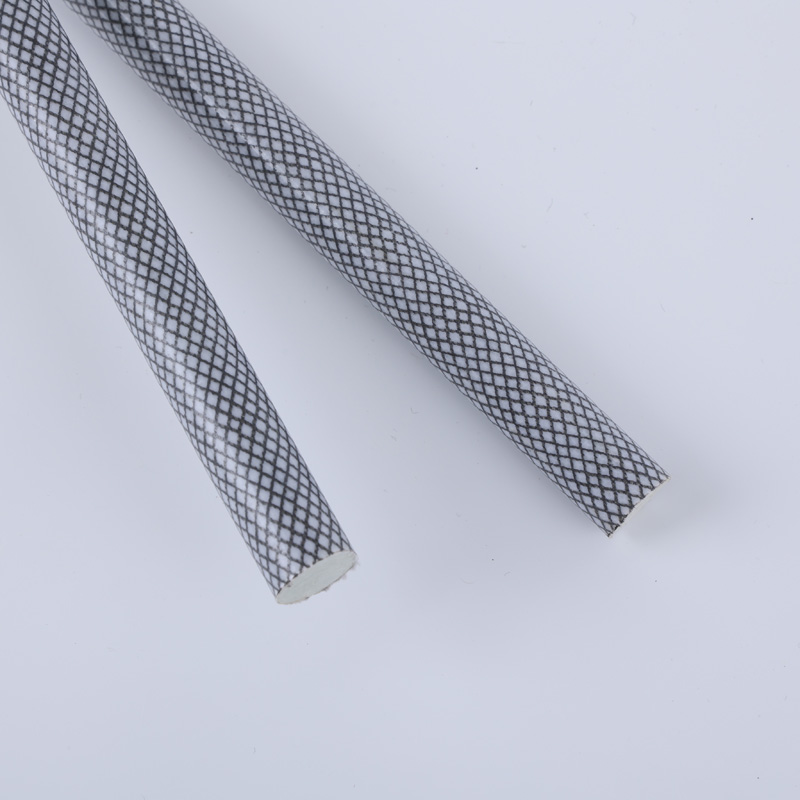
We must address the vulnerabilities of raw materials honestly. Unprotected composites suffer measurable damage under prolonged sunlight. The most common physical issue is the "fiber bloom" phenomenon. Prolonged UV exposure aggressively breaks down the outer polymer resin matrix. Sunlight emits energetic photons. These photons attack and sever the chemical bonds within the polyester or vinyl ester. Eventually, this photodegradation exposes the internal glass fibers. The surface gradually feels fuzzy, hairy, or rough to the touch.
Understanding the exact timeline of degradation helps you plan effectively. You should clearly distinguish between aesthetic and structural degradation. Surface chalking occurs relatively early in the material lifecycle. Color fading and a dull appearance happen within the first few years of sun exposure. However, a catastrophic loss of tensile strength remains a very long-term risk. The core structural glass rovings remain largely protected by the degraded outer layer. The profile looks heavily weathered long before it actually fails mechanically.
Fiber bloom introduces specific handling and safety risks for maintenance personnel. Exposed glass fibers pose severe splintering hazards. Personnel touching these weathered surfaces can easily get painful micro-splinters embedded in their skin. Because of this hazard, unprotected profiles present serious liabilities. Consider the following restrictions for raw fiberglass profiles:
They are strictly unsuitable for high-touch outdoor applications like public handrails.
They should not be used for pedestrian boardwalk surfaces without protective coatings.
They pose risks in recreational parks where children might touch the structural supports.
They complicate routine maintenance unless workers wear heavy protective gloves.
Engineers must intentionally design exterior components to survive decades outside. You achieve this extreme longevity by layering specific protective measures. Understanding the exact anatomy of a premium anti-ultraviolet support rod helps you specify materials correctly. You cannot rely on basic structural profiles for brutal outdoor environments.
Top-tier manufacturers add chemical defenses directly into the base material. Specific chemical additives, such as Hindered Amine Light Stabilizers (HALS), are blended directly into the liquid resin matrix during the pultrusion process. Manufacturers carefully formulate these polyester or vinyl ester resins before drawing the glass fibers through the die. These additives absorb or reflect harmful UV rays before they damage the chemical bonds. They actively prevent the photons from breaking the long polymer chains. This internal defense mechanism protects the entire volume of the profile. It serves as your primary line of defense against continuous solar degradation.
A physical barrier provides crucial secondary protection. The modern pultrusion process often includes integrating a synthetic surfacing veil. A resin-rich polyester veil wraps tightly around the exterior glass rovings just before entering the heated curing die. This step creates a highly durable protective barrier over the structural core. It deliberately buries the structural glass rovings much deeper inside the profile. By creating a dense, resin-rich outer surface, the veil delays the onset of fiber bloom significantly. It also drastically improves the overall aesthetic finish and smoothness of the manufactured bar.
Sometimes extreme environmental parameters require maximum possible longevity. You must evaluate when to require factory-applied polyurethane coatings. Projects demanding superior color retention and maximum weatherability need specialized UV-resistant paints. These secondary protective coatings seal the composite completely from the elements. They block ultraviolet light entirely, acting like a heavy sunscreen for the structural core. Marine environments, high-altitude locations, and desert deployments often necessitate this extra step. We strongly recommend factory application for consistent thickness, optimal chemical adhesion, and perfect curing.
Different industries utilize composite materials for completely unique reasons. We see varying environmental challenges and specific success criteria across multiple demanding sectors. Customizing your material specification ensures reliable field performance.
Marine engineers heavily favor composites for their distinct durability near water. Common use cases include heavy-duty boardwalks, seawall supports, and commercial dock structural components. These installations face relentless environmental attacks daily. The material must withstand dual exposure to harsh salt spray and intense reflected sunlight. Reflected UV radiation off the water surface dramatically intensifies the total solar load. To ensure project success, marine components must meet specific criteria:
Maintain absolute immunity to saltwater corrosion without requiring secondary zinc coatings.
Resist accelerated UV degradation caused by sunlight reflecting off the adjacent water.
Demonstrate high impact resistance against floating debris and docking watercraft.
Retain structural load-bearing capacity despite decades of constant tidal moisture.
Modern agriculture demands rugged, highly flexible materials. Frequent use cases involve heavy-duty plant supports, commercial tree training structures, and massive agricultural netting frameworks. Farmers frequently utilize durable fiberglass stakes to support extreme crop weights during harvest season. The success criteria focus heavily on chemical and biological resistance. They require total resistance to soil-borne moisture and highly aggressive liquid fertilizers. They must endure constant overhead sun exposure while maintaining engineered flexibility. Traditional wood stakes rot quickly in wet, fertilized soil. Properly veiled composites excel in these exact conditions.
The utility sector prioritizes grid safety and non-conductivity above all else. Use cases prominently include utility crossarms, buried line markers, and remote telecom structures. Power distribution networks rely heavily on these non-conductive profiles. The success criteria involve uncompromising adherence to safety standards. They must maintain strict dielectric properties at all times. They must remain completely non-conductive alongside their heavy structural integrity. Decades of weather exposure must never compromise this vital electrical insulation. If moisture penetrates heavily weathered profiles due to fiber bloom, surface conductivity could dangerously increase.
Procurement requires solid, verifiable evidence of environmental durability. Do not accept vague marketing claims about generic weather resistance. Buyers must request certified accelerated weathering data from manufacturers before shortlisting any vendor. You should specifically ask for ASTM G154 (Fluorescent UV) or ASTM G155 (Xenon Arc) test results. These standardized laboratory tests accurately simulate years of harsh solar exposure in just weeks. They measure exactly how much tensile strength the profile retains after exposure. They also objectively grade the severity of surface chalking and color shifting. Reviewing this data guarantees you receive true exterior-grade materials.
Maintenance budgeting relies entirely on realistic lifecycle expectations. Although advanced composites last far longer than treated wood, they eventually need minor care. You must establish realistic timelines for applying UV-protective clear coats in the field. Expect to apply touch-up polyurethane paints after 10 to 15 years of continuous field deployment. Routine visual inspections quickly identify early signs of surface chalking or minor fiber bloom. A quick solvent wipe-down and a fresh coat of marine-grade paint fully restore the protective UV barrier, extending the component's life indefinitely.
Field installation introduces new mechanical vulnerabilities. You must follow strict engineering guidelines for onsite modification. Machining and sealing realities dictate proper field techniques. When installers cut composite bars to length, they instantly expose the internal structural glass fibers. These field-cut edges must be sealed immediately. You use a compatible liquid resin or a heavy urethane sealant. Prompt sealing actively prevents moisture ingress. It completely stops localized delamination at the cut joints. Unsealed raw edges act like sponges for rainwater, eventually weakening the structural connection points over successive freeze-thaw cycles.
The engineering evidence strongly supports using premium composite materials outdoors. The final verdict remains clear. Fiberglass structural profiles are highly suitable for demanding outdoor and UV-exposed projects. However, they must be engineered intentionally for these environments. They strictly require the correct UV-inhibited resin systems, integrated surfacing veils, and optional secondary top coatings. Proper specification separates a successful, long-lasting project from a rapidly failing one.
Your shortlisting logic should remain strict during the procurement phase. Avoid using standard indoor-grade structural profiles for exterior use. Default heavily to manufacturers who transparently provide exact UV-resistance specifications and proven chemical formulations. Demand standardized ASTM weathering test data to verify their claims. As a crucial next step, consult with your pultrusion manufacturer directly. Compare the exact cost-benefit ratio of integrated UV inhibitors versus secondary factory-applied polyurethane coatings. Tailor your final material choice to your specific climate zone to guarantee optimal field performance.
A: No. Standard profiles often lack high-grade UV inhibitors or protective veils. Outdoor applications require explicitly specified weather-resistant formulations. Always verify the exact resin formulation and request veil documentation before purchasing materials for exterior use.
A: Depending on the climate and sun intensity, an unprotected profile may show surface chalking within 1 to 3 years. Though structural integrity usually remains intact for much longer, the aesthetic decline happens quickly. Protective exterior coatings extend this timeline significantly.
A: Yes. High-quality exterior polyurethane paints or marine-grade gel coats adhere perfectly to properly prepared fiberglass. They provide an excellent, renewable barrier against UV radiation. You must lightly sand and thoroughly clean the surface before applying any paint to ensure proper adhesion.
A: While the initial material cost is often higher than treated wood and competitive with aluminum, the long-term value is significantly better. You benefit from zero rust, zero rot, and minimal maintenance requirements over the decades. This makes them highly economical for extended outdoor lifespans.
